Quick Take: Finding affordable yet reliable roof repair services can be daunting, but it’s essential for maintaining your home. This article offers practical tips to help you navigate the process, ensuring you choose trustworthy roofing contractors while staying within budget.
Tips for Finding Affordable Yet Reliable Roof Repair Services
When it comes to maintaining your home, the roof often stands as the unsung hero. It protects against the elements, enhances curb appeal, and contributes to energy efficiency. However, roofs can be susceptible to wear and tear, requiring timely repairs. Finding affordable yet reliable roof repair services is crucial, especially when you're faced with unexpected leaks or storm damage.
In this guide, we'll explore effective strategies for locating reputable roofing companies in your area, including Denver roofers and Colorado roofers. We'll also delve into how you can assess quality without breaking the bank.
Understanding Your Roofing Needs
Before embarking on your quest for roof repair services, it's essential to understand what specific repairs are needed. Different issues require different specialists or solutions:
Common Roof Problems
- Leaks: Often caused by damaged shingles or faulty flashing. Missing Shingles: Can lead to water infiltration if not addressed promptly. Sagging Roofs: A sign of structural issues that need immediate attention. Poor Ventilation: Can result in heat buildup and moisture accumulation.
Identifying these problems early can save you time and money in the long run. If you’re unsure about what needs fixing, it might be worth hiring a professional inspector who specializes in roofs.
Researching Local Roofing Companies
Once you've got a handle on your roofing needs, it’s time to research local roofing companies near you. This step is vital for finding reliable service providers.
Where to Start Your Search
- Online Reviews: Websites like Yelp and Google Reviews provide insights from previous customers. Local Directories: Check platforms like Angie's List or HomeAdvisor to find vetted professionals. Social Media Groups: Community pages often have recommendations from locals who have had similar work done.
The goal here is to compile a list of potential candidates—ideally those recognized as reputable Colorado roofers or specifically noted as Denver roofers.
Evaluating Credentials and Experience
Not all roofing contractors are created equal. To ensure reliability, consider the following factors when evaluating potential hires:
Key Credentials
- Licensing: Ensure they hold a valid contractor's license specific to your state. Insurance: Verify they have liability insurance and worker’s compensation coverage. Experience: Look for companies with at least five years in business; longevity typically indicates reliability.
Don’t hesitate to ask them directly about their qualifications during initial conversations. This transparency builds trust and helps establish a professional rapport.
Asking the Right Questions
When reaching out to roofing contractors, having a list of questions handy can ensure you cover all bases. Here are some essential queries:
Important Questions to Consider
What type of warranties do you offer on materials and workmanship? Can you provide references from previous clients? What is your estimated timeline for completing this project? How do you handle unexpected costs?These questions will provide clarity about their policies and give insight into their customer service practices.
Getting Multiple Estimates
One of the best ways to ensure you're getting an affordable yet reliable roof repair service is by obtaining multiple estimates before making a decision.
Why You Should Compare Estimates
- It allows you to gauge market pricing for similar services. Different contractors may suggest varying solutions based on their expertise. You can identify red flags such as unusually high or low bids that might indicate poor workmanship or subpar materials.
When comparing estimates, focus not just on price but also on the details outlined in each proposal.
Reading Reviews and Testimonials
In today’s digital age, online reviews play an integral role in decision-making processes. They offer firsthand accounts of other customers' experiences with specific roofing contractors.
What To Look For
- Consistency across reviews (e.g., frequent mentions of quality work). Responses from companies regarding negative feedback—this shows accountability. Detailed testimonials that discuss both positive outcomes and challenges faced during projects.
Reading through these reviews will give you valuable context about what working with particular roofers will be Roofers near me like.
Verifying Insurance Coverage
An often-overlooked aspect when hiring roofing contractors is verifying their insurance coverage. This step protects you from potential liabilities during repairs.
Types of Insurance Needed
Liability Insurance: Covers damages caused during the job. Worker’s Compensation Insurance: Protects against injuries sustained by workers on-site. Bonding: Ensures that funds are available should any contractual obligations not be met.Always request proof of insurance before allowing anyone onto your property; this safeguard protects both parties involved.
The Importance of Written Contracts
Once you've selected a potential roofer, make sure everything is documented in writing before any work begins. A well-crafted contract should outline:
Essential Elements of a Contract
- Scope of work: Detailed descriptions of tasks being performed. Payment schedule: Clarification on deposits versus final payments. Project timeline: Estimated start and completion dates along with milestones if applicable.
Having these details mapped out minimizes misunderstandings later on and provides recourse should issues arise during or after completion.
Tips for Finding Affordable Yet Reliable Roof Repair Services
Finding affordable yet reliable roof repair services does not have to be overwhelming if approached systematically. Here's a summary of key points:
Understand your specific roofing needs before seeking help. Research local roofing companies using online resources and community recommendations. Evaluate credentials thoroughly; licensing and insurance are non-negotiables. Ask important questions that clarify expectations before committing. Get multiple estimates for comparison while focusing on value rather than just cost. Read reviews critically; consistency matters more than individual opinions. Confirm insurance coverage is adequate before allowing work to begin. Ensure all agreements are documented in a written contract outlining key project specifics.By adhering to these tips, you'll empower yourself as a homeowner while securing reliable services without overspending.
Knowing When To DIY vs Hire Professionals
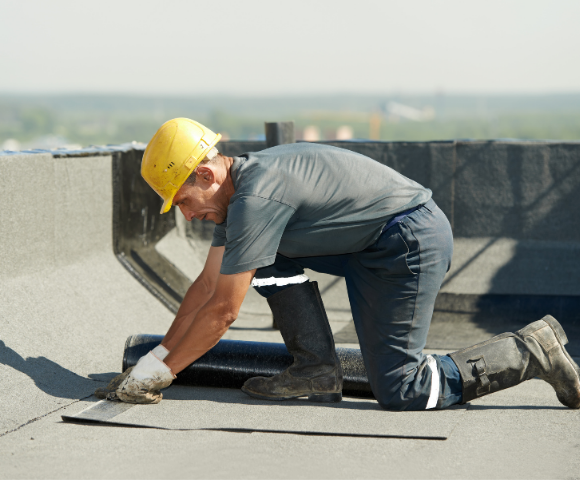
With many resources available today—including tutorials online—it’s tempting for homeowners to consider tackling small repairs themselves first before hiring professionals like local Colorado roofers or roofing companies near me.
Pros & Cons Of DIY Repairs
Pros:
- Cost savings if you're handy enough Immediate action without waiting for scheduling Personal satisfaction from completing tasks
Cons:
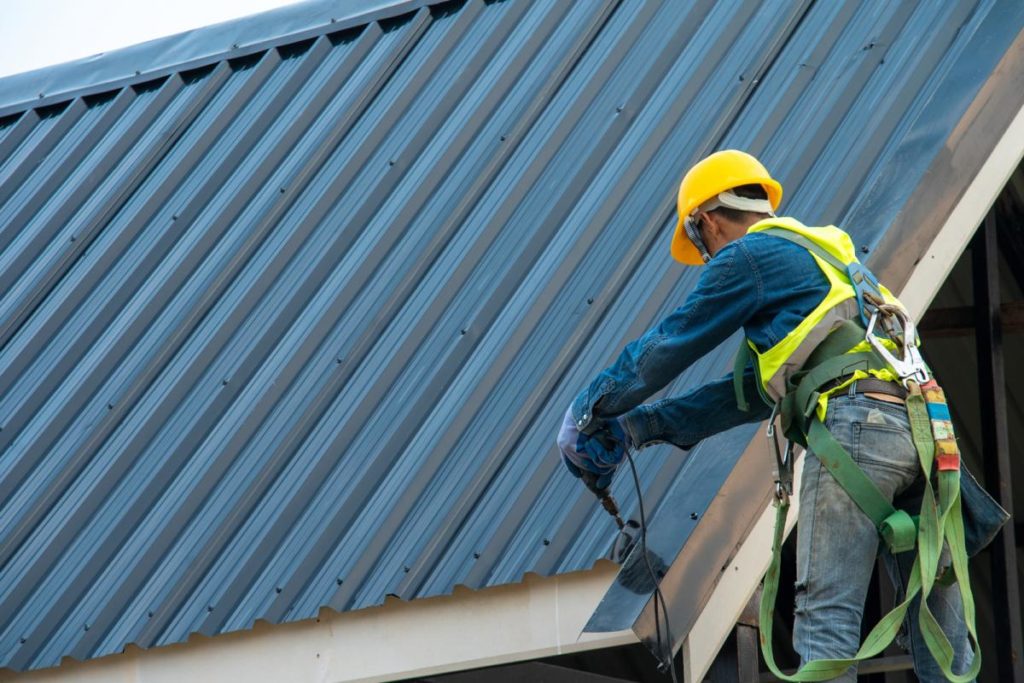
- Risk of overlooking critical issues leading to larger expenses later Potential safety hazards if proper precautions aren't taken Warranty issues may arise since most manufacturers require professional installation
Carefully assess whether it’s worth going down this path based on your skills against possible risks involved!
The Role of Local Weather Patterns
Living in places like Denver means weather conditions can be harsh at times—especially during winter! Understanding how local weather impacts roofs helps inform decisions about repair schedules accordingly while ensuring durability over time too!
Seasonal Considerations
Heavy Snowfall: May require snow removal techniques post-storms/icy buildup prevention steps taken initially! 2.Wind Damage: Regularly inspect shingles after strong winds; replacement may become necessary sooner than anticipated! 3.Temperature Fluctuations: Rapid changes cause expansion/contraction which could lead cracks forming eventually!Stay proactive regarding seasonal maintenance tailored towards protecting investments made into purchasing quality materials upfront!
Conclusion
Finding affordable yet reliable roof repair services involves thorough research combined with careful consideration of various factors such as experience level among prospective candidates alongside verified credential checks throughout selection processes! By utilizing practical strategies outlined here—from asking vital questions addressing concerns related warranties/insurance—to understanding unique geographical influences upon upkeep requirements—you’ll emerge prepared whether deciding between hiring experts versus trying DIY solutions!
Navigating through this journey doesn't have why it feels overwhelming; instead approach confidently knowing there exists plenty options available ultimately leading toward achieving desired outcomes successfully!
FAQs About Roof Repair Services
Q1: How do I know if I need roof repairs?
A: Signs such as leaking ceilings, sagging roofs, missing shingles, or visible damage after storms indicate repairs may be necessary.
Q2: What should I expect during a roof inspection?
Q3: Are there financing options available for roof repairs?
A: Many roofing companies offer financing plans tailored toward helping homeowners manage unexpected costs associated with necessary repairs effectively!
Q4: How long should my new roof last?
A: Depending on material used (asphalt shingles lasting around 20 years), good maintenance practices will extend lifespan considerably beyond average benchmarks provided by manufacturers’ specifications generally speaking!
Q5: Is it necessary always working with licensed professionals?
A: Absolutely! Utilizing licensed contractors ensures compliance with local building codes while protecting warranties offered by manufacturers regarding installed products too!
Q6: Can I perform minor repairs myself?
A: Yes—but only if confident enough! For complex jobs involving structural integrity/dangerous heights always prioritize engaging qualified professionals instead whenever possible ensuring safety first above all else!